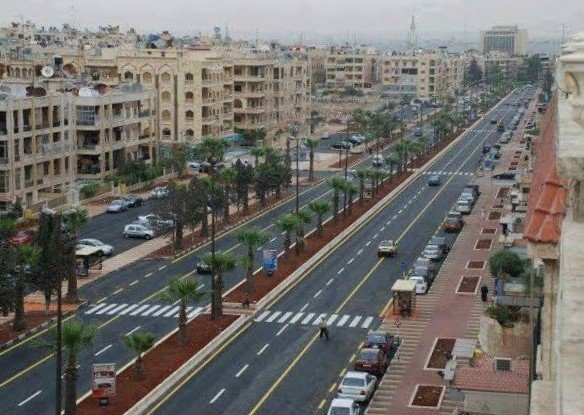
Al Jdaydeh Alley
Born in the late 14th century just beyond Aleppo’s northern walls, Al Jdaydeh Alley grew from a modest suburb into one of the city’s most enchanting quarters. Its name — “The New Town” — once marked it as a fresh addition to the medieval city, yet today its winding stone paved lanes feel timeless. By the late Mamluk and early Ottoman eras, the alley had become a vibrant mosaic of life: Armenian merchants trading silks and spices from Persia and India, Muslim and Christian families sharing courtyards shaded by fig and pomegranate trees, and the sound of church bells mingling with the call to prayer. The arrival of a new water duct in the 1490s brought fountains and hammams, turning the district into a place of comfort and prosperity. Around Farhat Square, the clustered churches — from the Armenian Forty Martyrs Cathedral to the Greek Orthodox and Maronite sanctuaries — stood as guardians of faith and community. Though war has scarred its stones, Al Jdaydeh’s spirit endures, a living testament to Aleppo’s centuries old tradition of coexistence, craftsmanship, and the quiet poetry of its narrow, sun dappled streets.