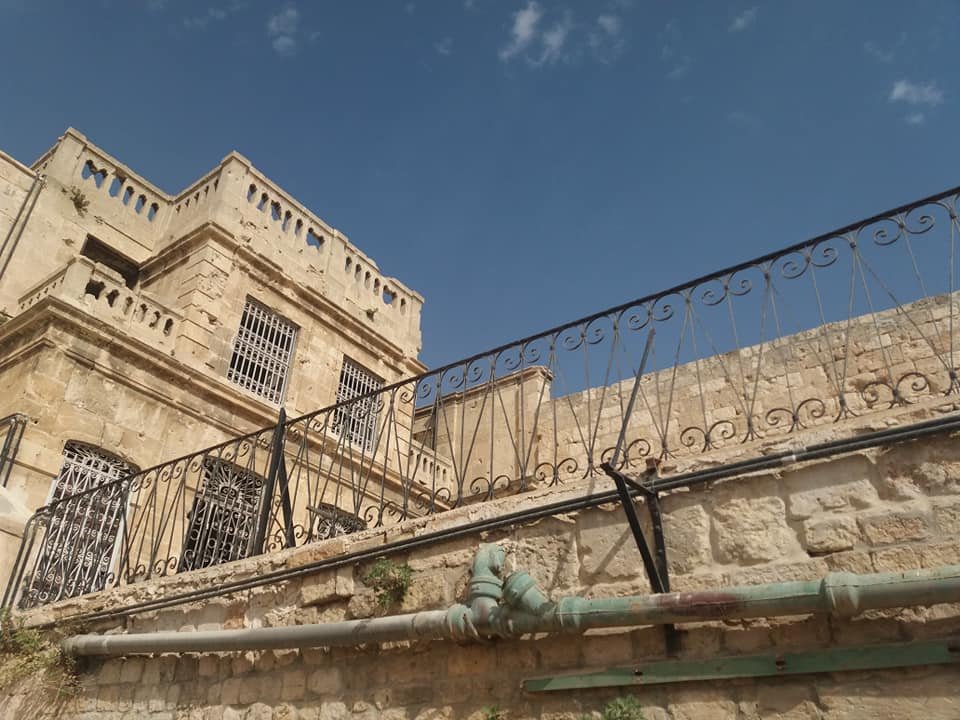
Khan Al-Burgul
Built in 1472 during the late Mamluk era, Khan al Burghul has long stood as a testament to Aleppo’s role as a granary and gateway of the Levant. Its name — “the Khan of Bulgur” — recalls the days when caravans laden with cracked wheat, a staple of Aleppine cuisine and trade, arrived from the fertile plains surrounding the city. Beneath its arched gateway, merchants from Anatolia, Persia, and the Mediterranean once unloaded their goods, storing them safely in vaulted chambers while conducting business in the bustling courtyard. In the late 19th century, its walls witnessed a new chapter as the British General Consulate took residence here, turning the khan into a place where diplomacy and commerce intertwined. Through centuries of shifting empires, colonial intrigue, and the upheavals of modern war, Khan al Burghul has endured as a silent witness to Aleppo’s mercantile resilience — a place where the scent of grain once mingled with the murmur of many tongues, and where the city’s lifeblood of trade flowed steadily beneath its stone vaults.