
Nullam dignissim…
Loading
Nullam dignissim…

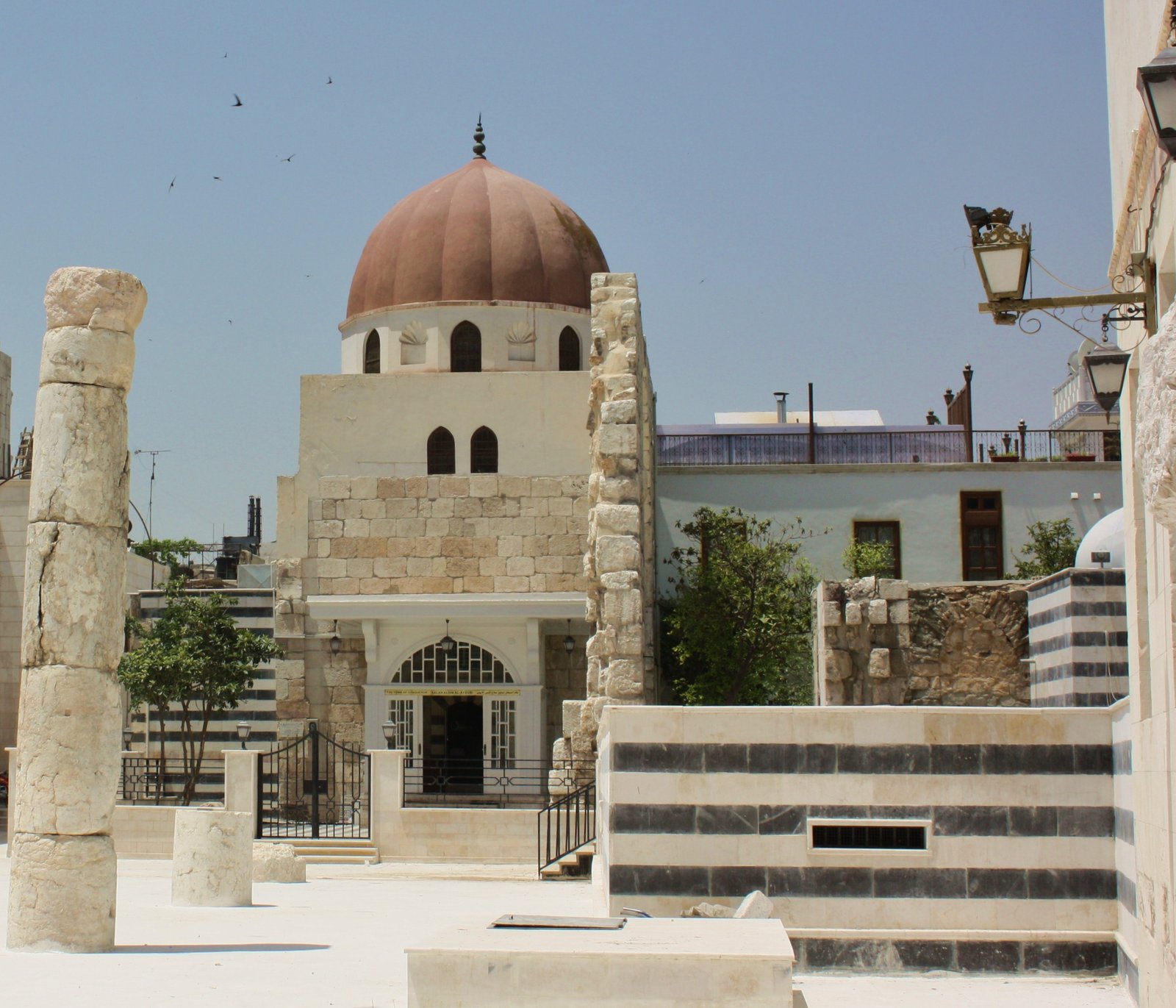
The Mausoleum of Saladin, beside the northwestern corner of the Umayyad Mosque in Damascus, was built between 1193 and 1...
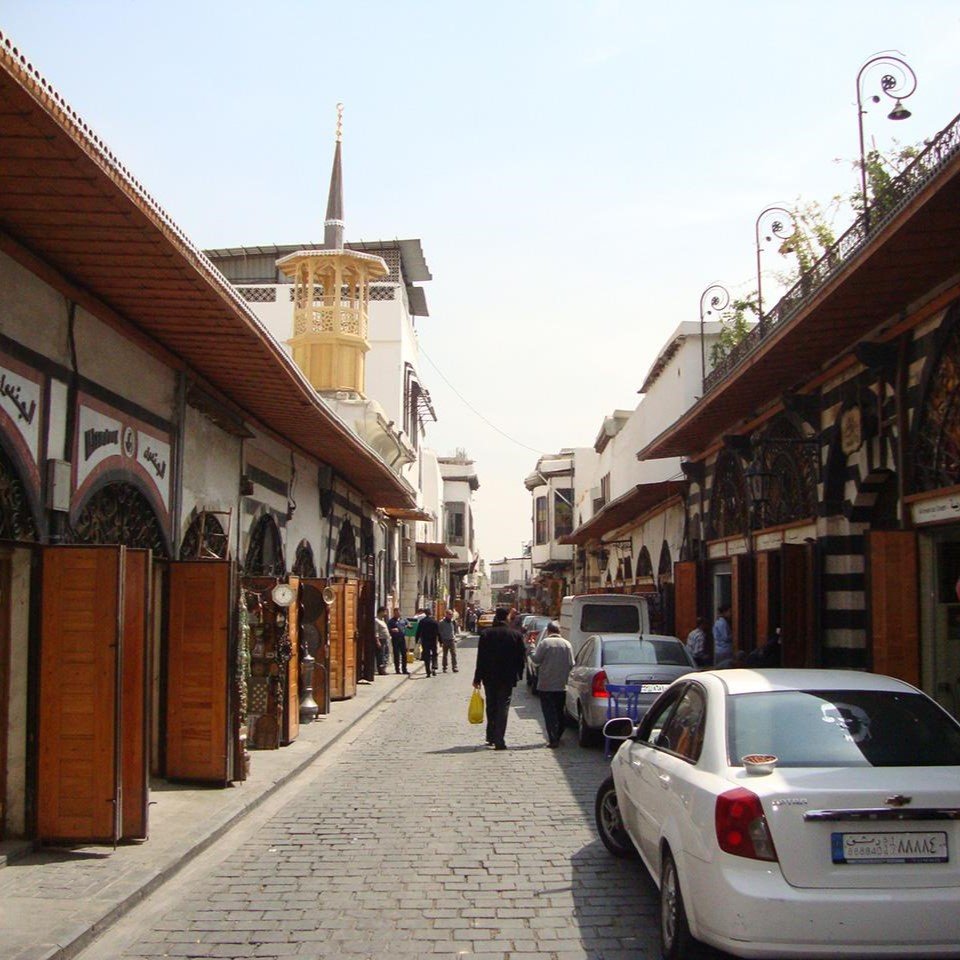
Straight Street — known in Arabic as al Shāriʿ al Mustaqīm and in Latin as Via Recta — has been the main east–west arter...
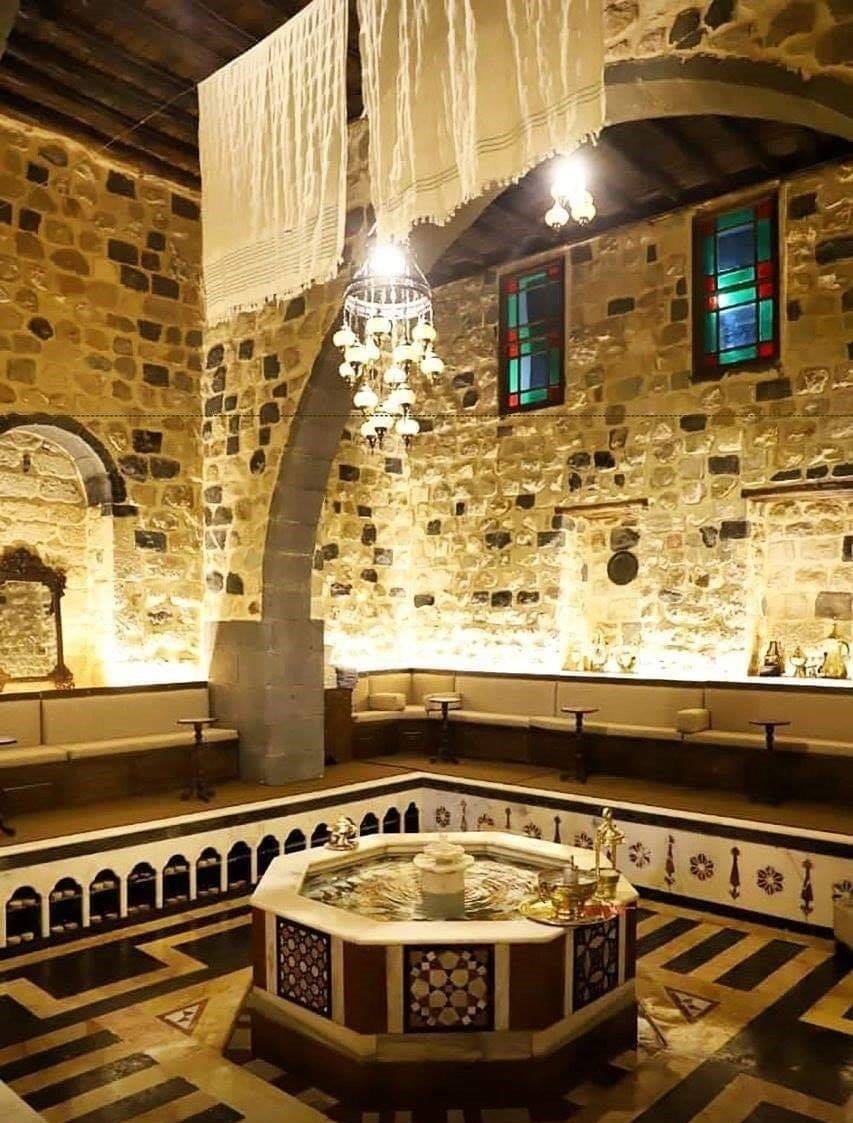
Tucked just behind the Damascus Citadel, Hammam al Selseleh — built around 1100 AD — is more than a bathhouse; it’s a li...
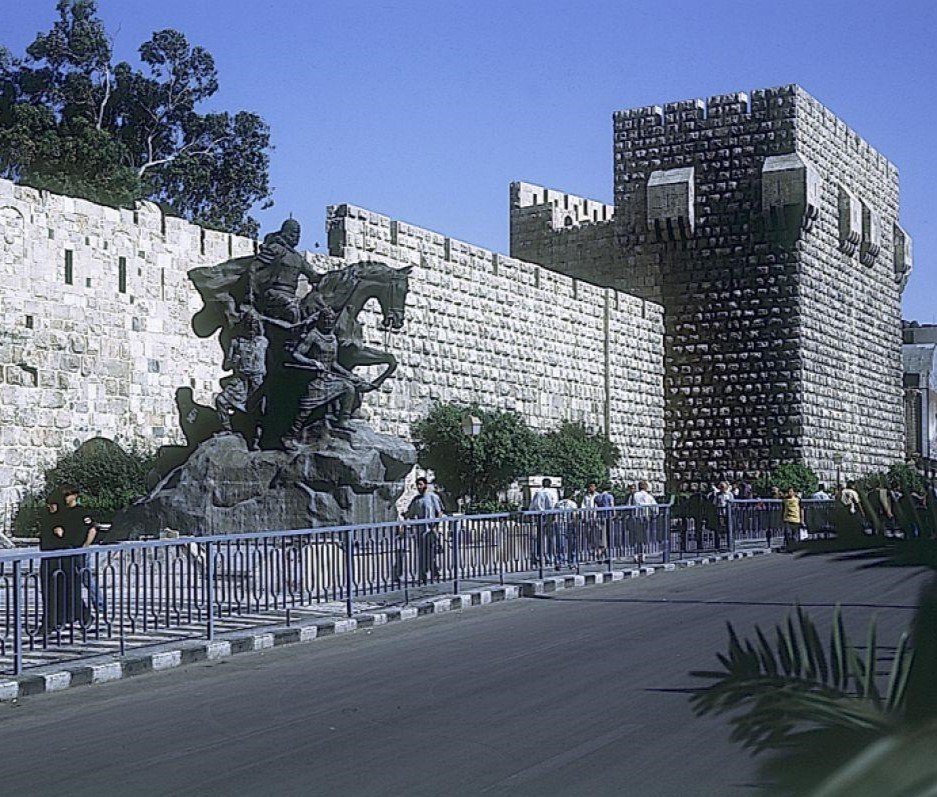
The Citadel of Damascus traces its origins to the late 11th century, when the Turkmen commander Atsiz bin Uvak fortified...
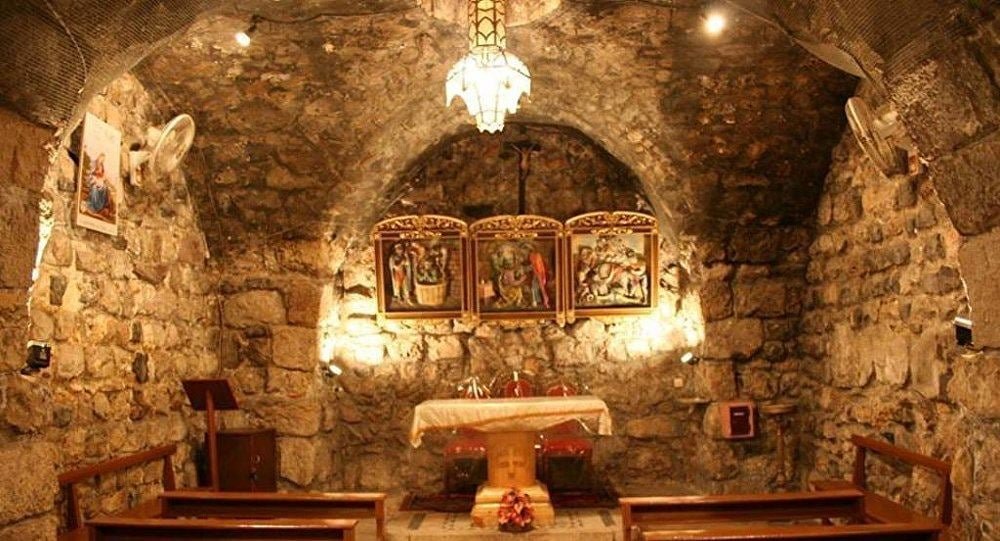
In the Bab Sharqi quarter of Old Damascus, the Church of Saint Hanania lies about five meters below street level, markin...
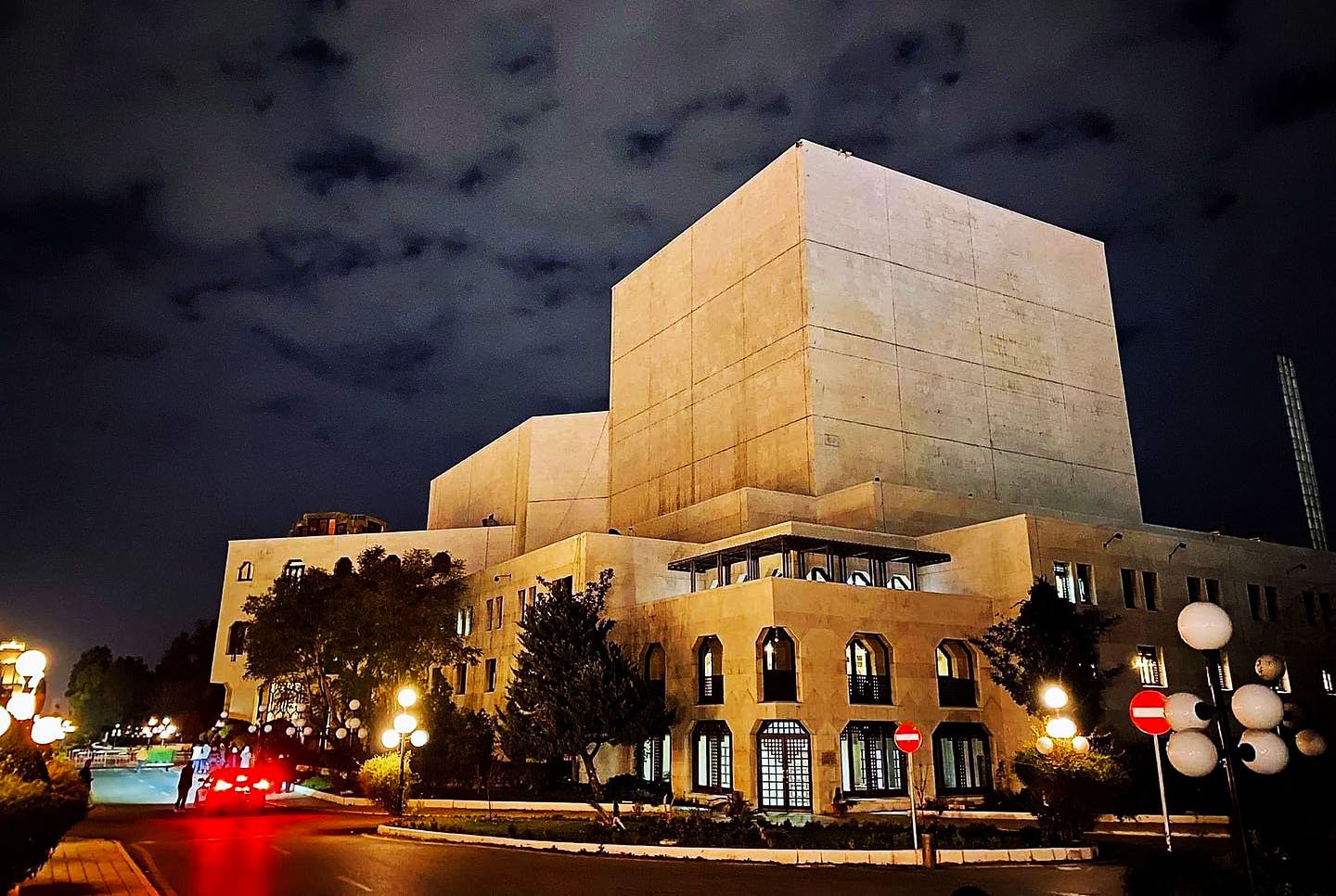
Set on the lively expanse of Umayyad Square, the Damascus Opera House is a must see for visitors seeking a taste of Syri...
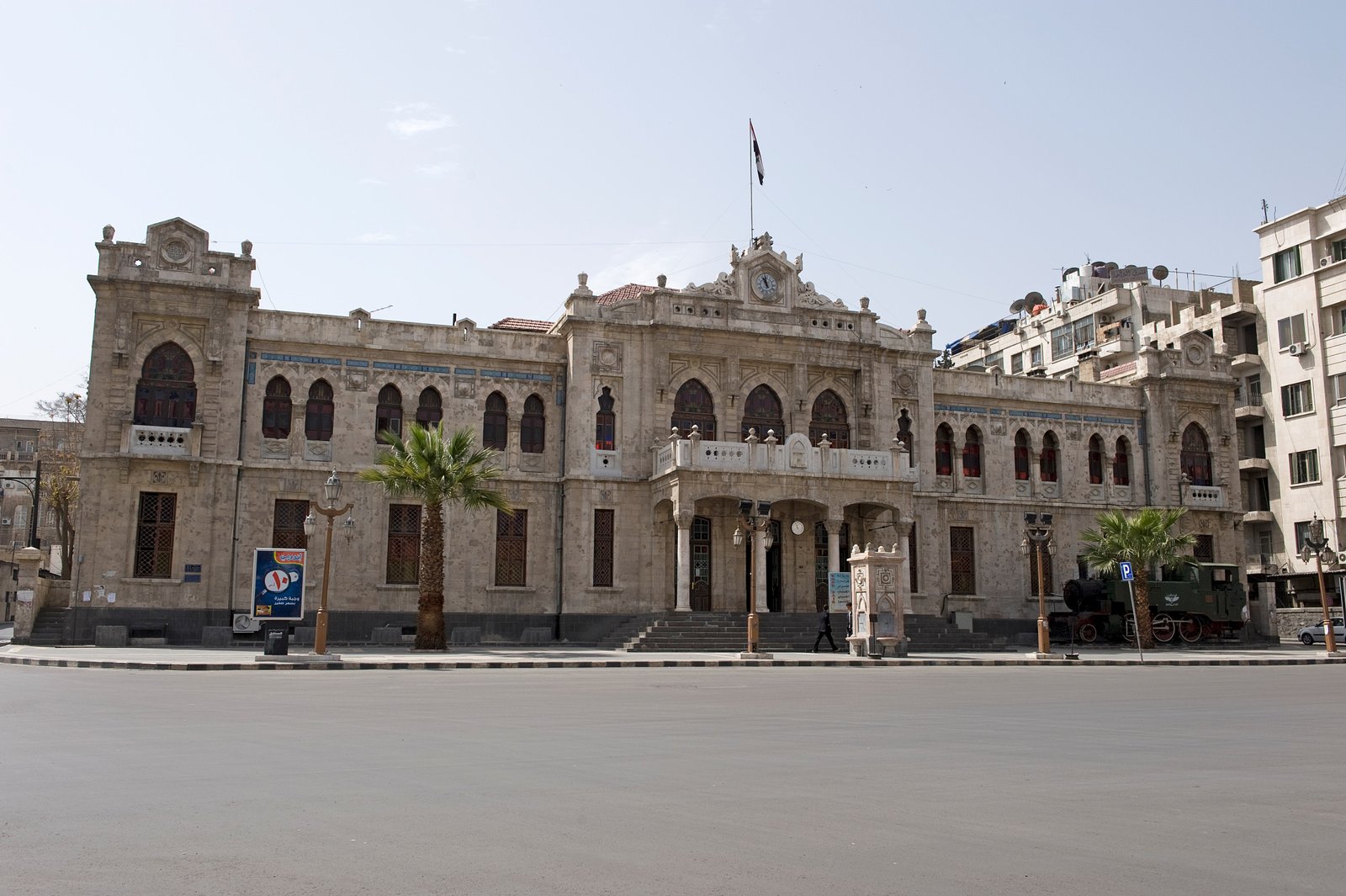
In the heart of Damascus, Al Hijaz Railway Station stands as a graceful relic of the city’s early 20th century modernisa...
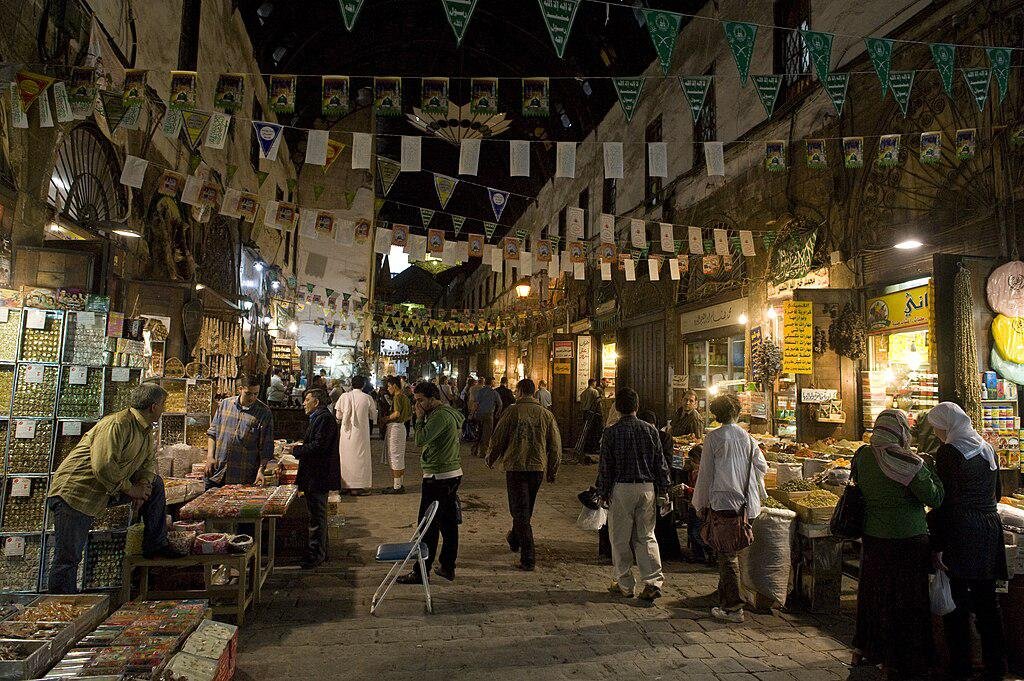
South of the Umayyad Mosque, Souq al Buzuriyah has been a cornerstone of Damascus’s commercial life for centuries, its h...
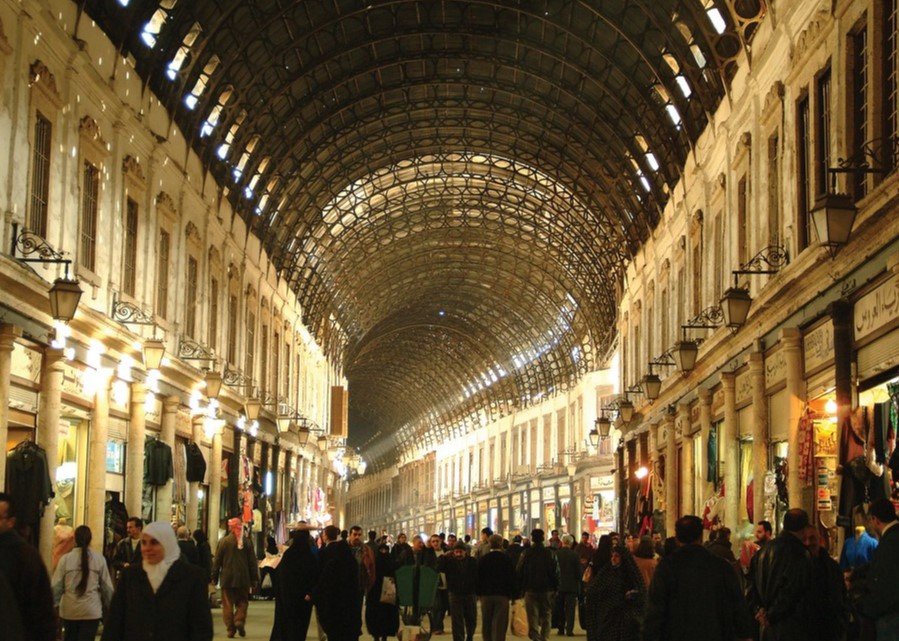
Beneath the towering walls of the Damascus Citadel, Souq al Hamidiyah stretches like a grand artery into the heart of th...
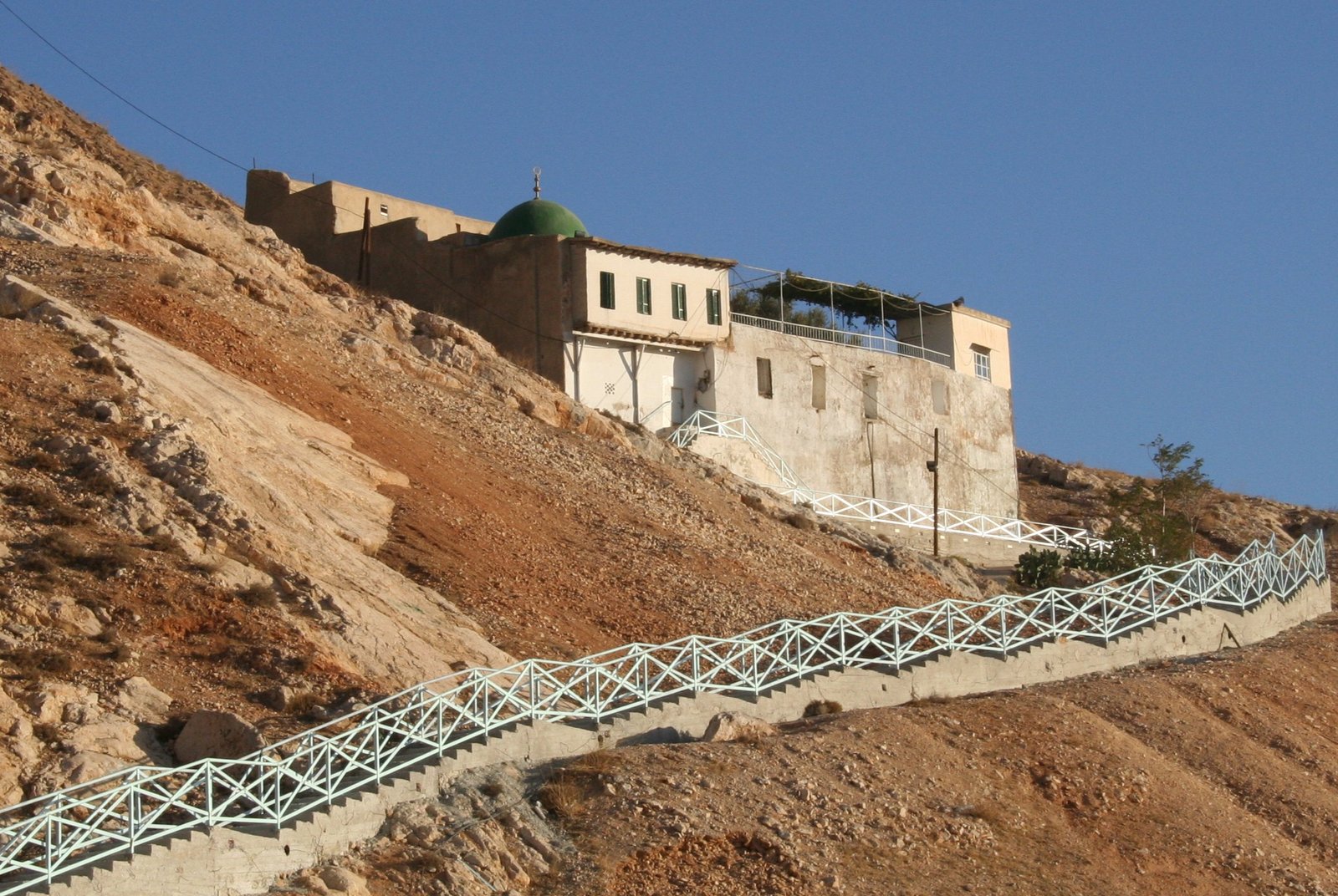
Perched high on the slopes of Mount Qasioun, Jabal al Arbaʿīn is a place where legend, faith, and breathtaking views con...
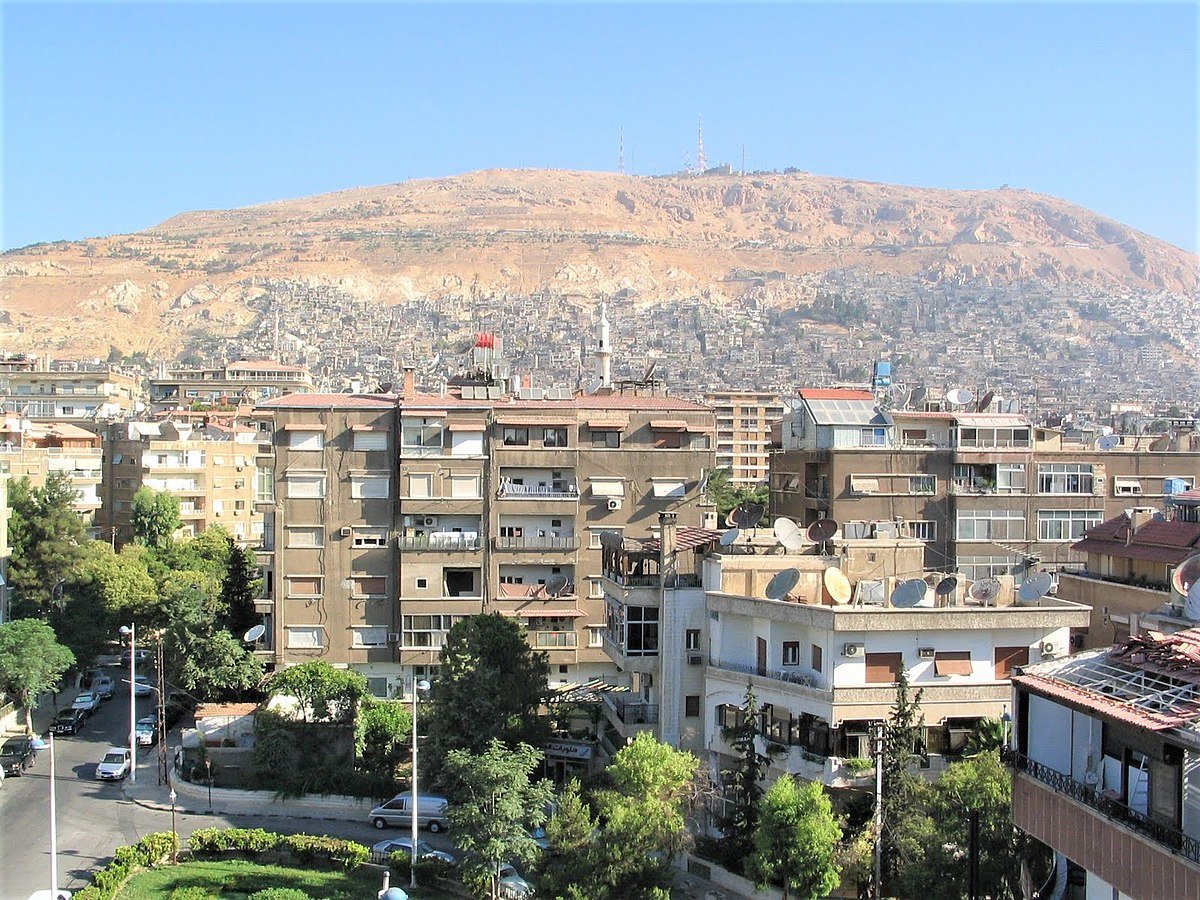
Mount Qasioun, the rocky sentinel that rises above Damascus, is both a natural landmark and a place steeped in legend. I...
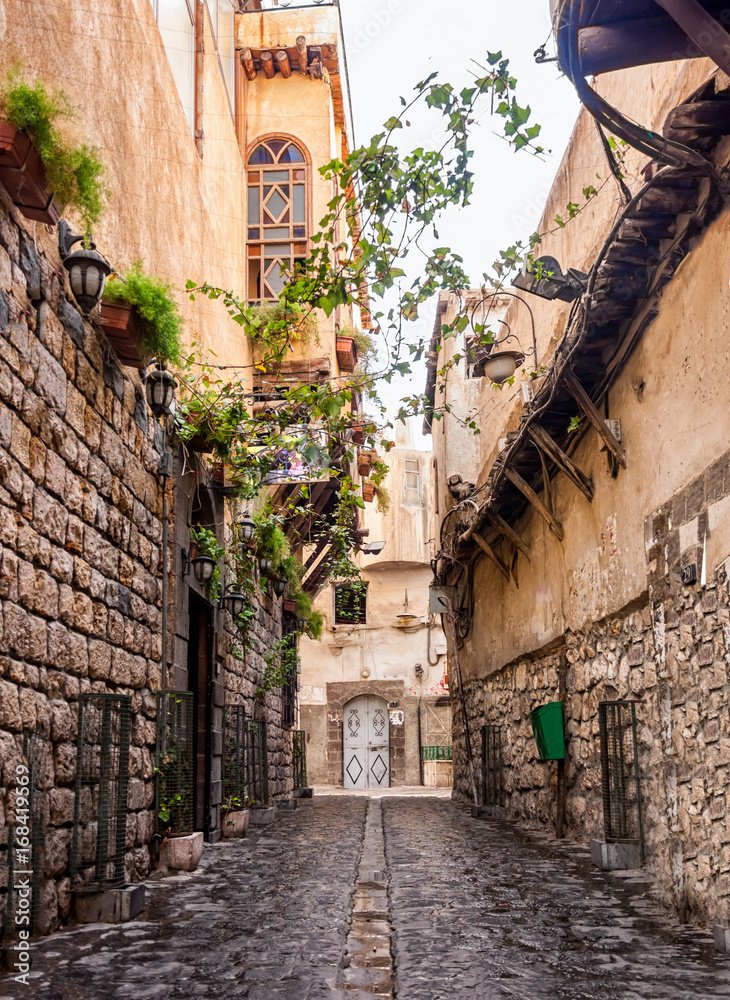
Old Damascus, the beating heart of one of the world’s oldest continuously inhabited cities, is a living tapestry of hist...